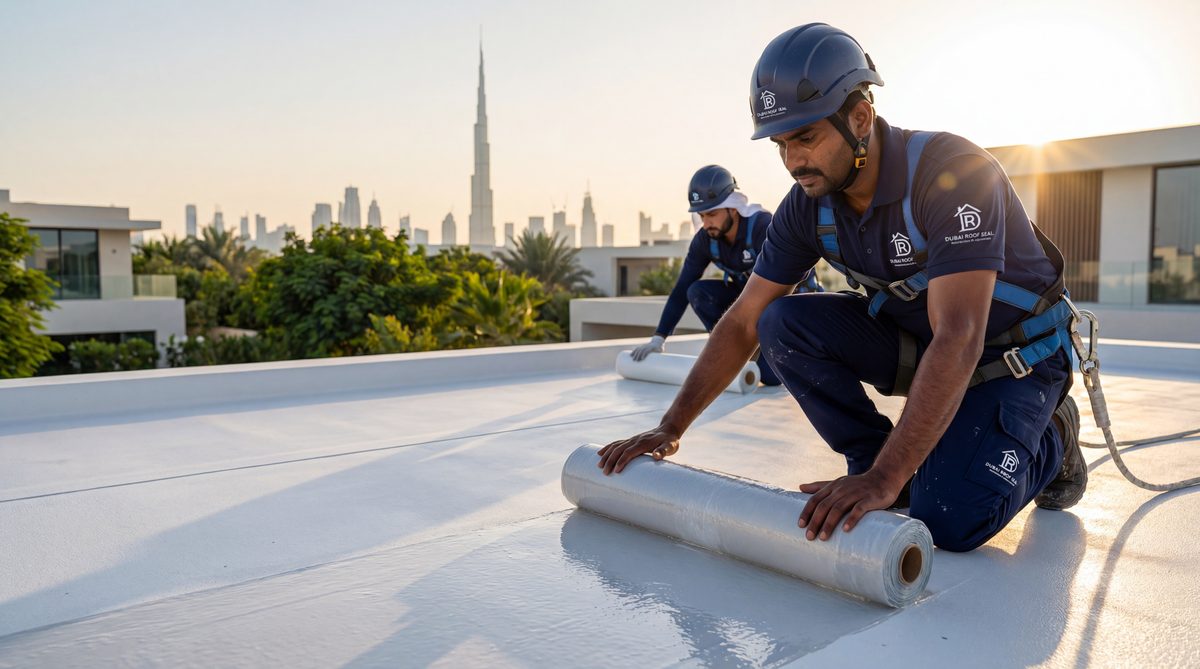
As the commercial building sector in the United Arab Emirates rapidly evolves to meet Net Zero 2050 targets, consultants and facility managers are increasingly looking outward to global regulatory bodies. The era of localized, ad-hoc roofing standards is ending. Today, the materials specified for a warehouse in Jebel Ali or a villa in Arabian Ranches are heavily influenced by international sustainability mandates.
Here is a look at the major global news and regulatory shifts that are currently reshaping the waterproofing industry in Dubai.
1. The Global "Cool Roof" Initiative
Urban Heat Islands (UHIs) are a worldwide problem. Cities absorb massive amounts of solar radiation, increasing ambient temperatures and driving up air conditioning costs. In response, global bodies like the US Environmental Protection Agency (EPA) have launched aggressive Heat Island Reduction programs.
The Global Impact: To combat this, the Cool Roof Rating Council (CRRC) developed strict standards for solar reflectance and thermal emittance. These standards evaluate how effectively a roof bounces heat back into the atmosphere.
The UAE Connection: Dubai Municipality has deeply integrated these international CRRC standards into its Green Building Regulations. This is why Dubai Roof Seal now prioritizes high-SRI (Solar Reflectance Index) polyurethane topcoats that meet global Cool Roof certifications, helping UAE property owners drastically reduce their cooling costs.
2. Strict Crackdowns on VOCs (Volatile Organic Compounds)
Across the European Union and North America, environmental regulators have been aggressively phasing out high-VOC roofing materials. Traditional solvent-based bitumens and cheap liquid paints release toxic gases into the atmosphere as they cure, contributing heavily to poor air quality.
The Global Impact: Organizations like the National Roofing Contractors Association (NRCA) have actively promoted the shift toward low-VOC and zero-VOC technologies to protect both the environment and the health of installation crews.
The UAE Connection: The Middle East is rapidly adopting these exact standards. High-performance, eco-friendly EPDM Rubber Waterproofing has become the premium choice because it is entirely VOC-free. It does not off-gas, making it incredibly safe for sensitive environments like hospitals, schools, and residential villas in Dubai.
3. The Global Move Away from Toxic Plasticizers
One of the biggest recent stories in international roofing news is the data emerging from long-term weathering studies on PVC (Polyvinyl Chloride) membranes. Independent research in both Germany and the United States has confirmed that the chemical plasticizers used to keep PVC flexible evaporate rapidly under intense UV exposure.
The Global Impact: As PVC membranes prematurely crack and shatter in hot climates, global architects are actively writing PVC out of their specifications in favor of more stable materials.
The UAE Connection: With Dubai experiencing some of the most intense UV radiation on the planet, the plasticizer migration problem is accelerated here. This is why Dubai Roof Seal advocates for synthetic EPDM over PVC. EPDM contains absolutely no plasticizers to evaporate, ensuring it remains highly flexible through 50 years of brutal summer heat.
Building with Authentic Global Standards
When selecting a waterproofing contractor in Dubai, it is vital to choose a team that aligns with international best practices. Relying on outdated local methods is a recipe for premature roof failure.
Further Reading on Industry Standards
Upgrade Your Facility to Global Standards
Is your building compliant with modern energy efficiency and safety standards? Contact our technical team for an audit based on international best practices.
💬 Request a Technical Audit